Spring is in the Air !
Four Tips for Restoring Healthcare Operations from a Fresh Perspective
march 2022
By Jody Randall MSN, RN, CIC, HACP-CMS, HACP-PE
CEO and Founder
As we near the spring of 2022, it may be a good time to do some housekeeping in your healthcare facility. It is important for all organizations to enter into a new calendar-fiscal year with the mindset of improving upon prior year outcomes. Whether or not your organization is a Centers for Medicare and Medicaid Services (CMS) facility or an independent healthcare provider, here are a few best practices that can help to improve the quality of the services provided to patients, reduce cost, and improve day-to-day operations for any healthcare facility.
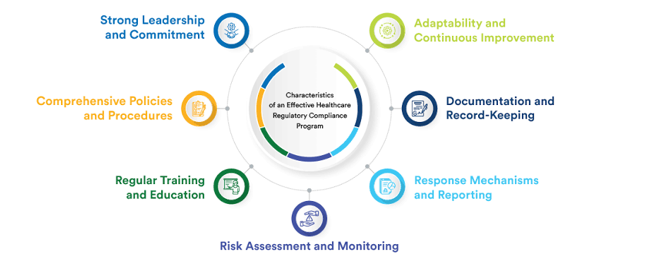
Annual Review of Policies and Procedures – Empower Your Staff
There is no time like the present to begin an annual review of policies and procedure. An organization’s policies and procedures outline how an organization operates. In the past two years we have all experienced policy change at a rate making day-to-day operations confusing to front-line healthcare professionals. In many cases, there may even be reluctance to begin reviews due to fear of new changes to practice requirements determined by regulatory agencies. Nonetheless, it is best to take a proactive approach in conducting these reviews. It is important to consider what has changed since the last time a policy was reviewed when conducting a retrospective review. and make sure that the policy and or procedure fits how your facility currently provides services.
In our experience, we have found it to be helpful to elect team members to champion these reviews. As an administrator or leader, you may be apprehensive about assigning additional tasks to team members who have been experiencing work related stress, but it may surprise you that delegating even a single policy for review empowers team members to work autonomously. This allows team members to have input, conduct independent research and helps to promote team engagement. It is our recommendation to prioritize reviews and continue the process gradually. Be sure that all recommendations for revision are carefully reviewed and that proposed changes are aligned with current evidence-based practices. Keep in mind that all revisions must be reviewed by the individuals or committees who are authorized to approve such changes for your organization.

Records, Records, Records ….
Whether your healthcare facility utilizes paper or electronic charting, spring is an is ideal time of year to conduct an internal sweep of how protected health information (PHI) is managed. The larger the size of a facility, the greater the risk of PHI traveling from one location to another. Even if your organization only uses electronic charting, most organizations still find that it is virtually impossible to get rid of paper documents and records completely. Conducting surveillance is critical in identifying PHI security breaches. Examples may include PHI found in unsecure locations, computer stations being left unlocked or improper disposal of health information. Fax machines can be another contributor to The Health Insurance Portability and Accountability Act (HIPAA) breaches, particularly those that are not in a secure location. In our experience, we have found medical records left on fax machines in plain view and faxes being sent out of organizations that did not include coversheets with breach disclosure statements. We have found that this can be a common problem for many organizations and can be easily prevented by ensuring that all team members are well-trained on HIPAA compliance practices. Be sure to conduct annual reviews and training with your team members and survey your facilities to prevent potential major infractions.
Quality Assurance Performance Improvement (QAPI) Plans
Having QAPI plans in place in not only best practice but also a condition of participation for CMS. Data is collected throughout the year. This vital information is reported national databases for public reporting. QAPI should be shared with personnel from the front-line workers to the governing boards of healthcare facilities. Reports include goals, benchmark data and overall performance metrics. The purpose of having a well-reviewed plan in place is not just to demonstrate that we have collected data but to reflect upon how we can improve performance. QAPI plans should include an annual review. This is an opportunity to review what measures did or did not work for the organization. Identifying areas of vulnerability provides a great opportunity to explore new ideas. Be sure that any changes made to the plan are integrated into organizational policies and procedures as applicable. Other examples of programs requiring annual review are Infection Prevention and Emergency Preparedness Programs. The following attachment from CMS is a great resource on how to structure a successful QAPI program:
qapifiveelements.pdf (cms.gov)
Contract Services
Contracted services are an area often overlooked in many healthcare organizations. Subsequently, these types of services may be more commonly used in smaller privately-owned facilities. It is critical to review contracted services periodically. Be sure the services being provided meet the agreed-upon contractual obligations. If a service provider is not meeting the service commitment, then the matter should first be addressed with the contractor. Too often, contracts auto-renew or are not reviewed by an organization. Both of these matters can lead to excessive cost and poor outcomes for healthcare facilities. If you are contracting for licensed professional services, be sure that you can prove that the service providers are qualified and credentialed to perform the duties agreed upon by both parties.
If you are contracting construction services, for example, can you be sure that contracted personnel have been properly trained on safety measures? It may be good to inquire if the contractor is familiar with working in a healthcare environment especially within patient care areas and are familiar with med gas safety measures. When considering contract labor, be sure that you are protecting your organization from potential risks. Engage key stakeholders in the selection and review process for all contract services. Conducting concurrent review will help protect your organization from unexpected legal and financial implications.
In summary
Here at HCE we recognize the daily challenges and increasing workloads that all healthcare providers are faced with today. Spring 2022 is a great time to embark on a fresh start and cleanse your organization from the aftermath of the pandemic. We hope that you will find these tips and reminders helpful and can incorporate fresh, new ideas into your day-to-day routines.
HCE is here to help! Contact us today for to discuss how we can help your organization get back on track in 2022. Thanks to all healthcare professionals for your commitment to caring.
Please join us by clicking on any of the icons below to leave a comment or for more informati
on and updates: