Confident Your Facility is Protected from a Legionnaires’ Outbreak?
Often Underdiagnosed, The Potential For Risk Is Much Greater.
May 2022
By Jody Randall MSN, RN, CIC, HACP-CMS, HACP-PE
CEO and Founder
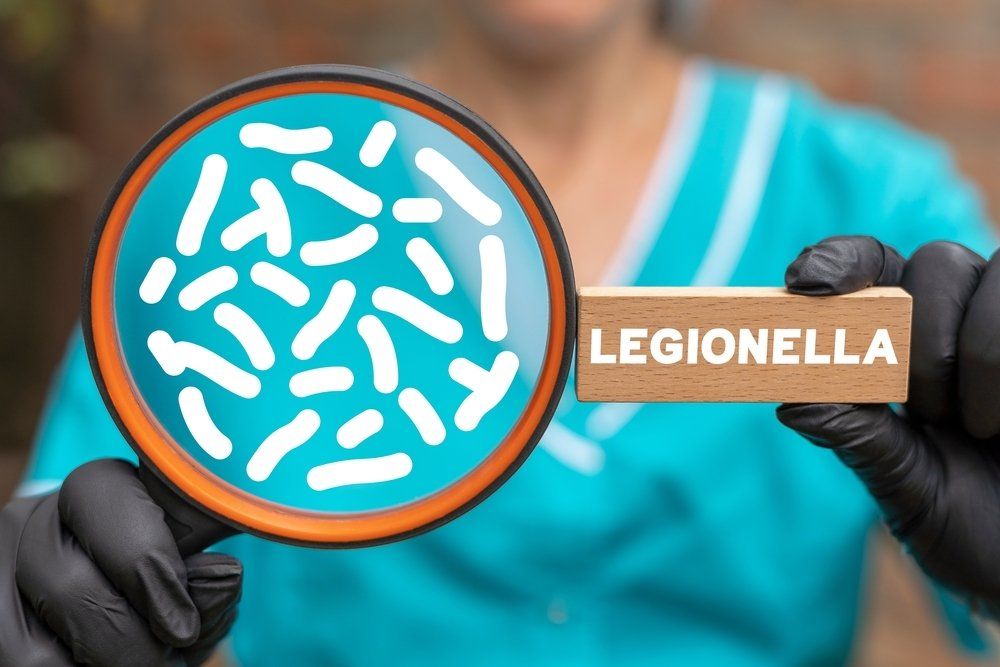
If you are an Infection Preventionist (IP) who has experienced a Legionnaires’ outbreak in your facility, then you can likely recall how stressful this type of event can be. Regretfully, without having a good understanding of risk factors that can contribute to these situations, it may only be a matter of time before you are managing an internal investigation in your own facility. Having knowledgeable IP’s and plant operations technicians on your team will help to mitigate risk in your organization.
The most important thing to know about Legionnaires’ bacteria is that although it is present in soil, it is also a hearty water-borne bacteria that can rapidly contaminate reservoirs and environments that contain moisture. It is also important to understand that a diagnosis of Legionnaires’ pneumonia carries a 10% mortality rate for those infected. In 2018, there were roughly 10,000 cases of Legionnaires’ disease reported in the United States alone, which was believed to be a low estimate due to underdiagnoses (CDC, 2021).
Equipment that can contribute to this type of outbreak includes cooling towers, hot water heaters, fountains, and birthing tubs. When contaminated water is vaporized and inhaled, individuals in affected areas are predisposed to infection.
Common symptoms of infection include shortness of breath, coughing, headache, muscle aches and fever. The most common types of tests used to diagnose patients with Legionnaires’ Disease include chest x-ray and urine or sputum culture and sensitivities.
The CDC has published a great resource to help with recognition of risk factors, signs and symptoms and treatment for Legionnaires’ Disease (https://www.cdc.gov/legionella/downloads/fs-Legionnaires’s.pdf
).
We encourage facilities to conduct a risk assessment to determine if you are at risk for developing an outbreak. Healthcare organizations who operate under Centers for Medicare and Medicaid conditions of participation are required to complete an annual risk assessment. A helpful tool that may be used to conducted a risk assessment comes from the CDC and is referred to as Legionnaires’ Environmental Assessment Form (LEAF) -
https://www.cdc.gov/legionella/downloads/legionella-environmental-assessment-p.pdf
.
Because our team members at Healthcare Consulting Experts (HCE) have been directly involved with the traumatic impact that a Legionnaires’’ outbreak can cause, we encourage you to prepare your team members with information that can help mitigate the risk of an outbreak. Not only can reducing risk save lives but the financial burden associated with such an outbreak can be crippling to any organization. We are here to help! Whether you are in need of staff education or onsite surveillance, our experts help your organization avoid this type of catastrophic event. Contact us today at www.healthcareconsultingexperts.com or (800) 813.7117 for your free consultation.
References
https://www.cdc.gov/legionella/fastfacts.html
https://www.cdc.gov/legionella/downloads/fs-Legionnaires’s.pdf
HCE is Here to Help
Healthcare Consulting Experts LLC was built based upon our understanding of the challenges that all healthcare facilities are facing today. Healthcare professionals strive to deliver the best possible care to all patients. We can help your facility through the difficult times and put you back on track to a less stressful tomorrow.
Don’t take chances! Our experts can assist with regulatory compliance requirements for whether you are building a new, state of the art project or renovating an existing structure. Be sure to visit our website at
www.healthcareconsultingexperts.com
to see a full list of the services that we provide. Contact us today at 1(800) 813-7117 for a free initial consultation.
Please join us by clicking on any of the icons below to leave a comment or for more informati
on and updates: